Loneliness and physical health
Research shows there is a strong link between loneliness and social isolation and our physical health – in fact, the mortality risk associated with social disconnection is comparable to the risk of smoking up to 15 cigarettes a day.
Research also shows that loneliness increases the risk of premature death by 26%, and social isolation increases risk by 29%, and both have been linked to heart problems, dementia, weaker immune systems, stress hormone imbalances, obesity, poor sleep, and depression.
Research has found that social isolation is significantly associated with increased risk of 28 medical conditions, and loneliness associated with 80, including: respiratory; neurological; digestive; musculoskeletal; genitourinary diseases and mental disorders.
Research suggests that loneliness can act both as a predictor of future poor health and a consequence of existing conditions. This means finding ways to reduce loneliness and enhance connection can make a real difference for better health and reducing the overall burden of ageing.
Loneliness and frailty
Loneliness also has an impact on someone’s frailty.
Frailty is an age-related condition that affects how well the body copes with illnesses that would normally be minor, and it includes physical, cognitive, and social components.
- Physical frailty refers to the weakening of the body, leading to reduced stamina, strength, and the ability to manage daily tasks.
- Cognitive frailty refers to decline in thinking and memory, with symptoms that often overlap with dementia, and can make diagnosis challenging.
- Social frailty is the growing vulnerability to losing the social resources needed to meet basic social needs, often reflected in limited social support or reduced participation in social activities.
Research shows that social frailty and social isolation increase the risk of developing physical frailty and disability, highlighting how interconnected these forms of frailty are.
Loneliness and healthcare use
Loneliness takes a clear toll on health. People who feel lonely tend to have a lower quality of life and use more health services - loneliness has been linked to more GP visits, longer hospital stays, and a greater likelihood of being re-hospitalised after an initial stay.
Even when researchers account for other factors like age or income, lonely people still report worse physical and mental health.
Overall, people with stronger social connections tend to be healthier and feel healthier. Being part of supportive groups encourages better lifestyle choices, and for older people, the social side of activities often motivates them to stay engaged and active.
Group based activities are especially powerful. Research shows that joining social groups improves both mental and physical health, and many policies now include social participation as part of healthy ageing strategies.
In the UK, programmes designed to reduce loneliness have reported positive outcomes such as fewer GP visits, better wellbeing, and shorter hospital stays.
How we support physical health
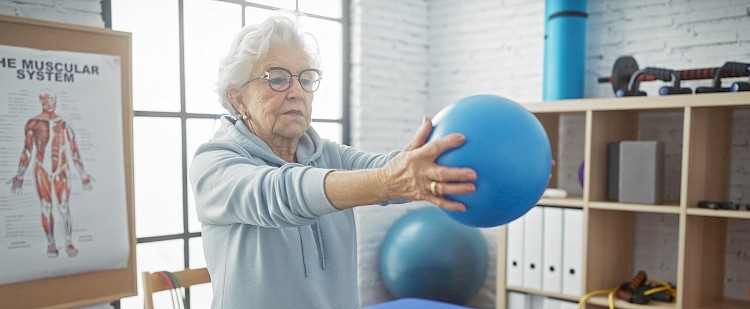
We tackle both physical health and loneliness in older people through our social Activity Groups both in person and online.
The groups take part in a mix of gentle physical and social activities, from dancing, chair yoga and tai chi to board games and arts and crafts, with time afterwards for a chat over refreshments. The groups cater to different levels of ability and interests and are run by our volunteers. If you're interested in signing up as a volunteer or getting involved as a group member, please visit our website.
I don't really see myself as a ‘volunteer’ or what I do as ‘volunteering’. It's something nice that I do quite often where I see friends, and I count our older guests in that as well. It almost makes me feel a bit of a fraud when people say I’m volunteering when I just have a lovely Sunday once a month with my friends.
– Re-engage Tea Party volunteer
Want to find out more?
Some of the research on this page has been drawn from a literature review written by Research 100 volunteer Georgia von Schmidt. If you would like to explore the sources in detail, or learn more about loneliness / social isolation and frailty, please read this article.